

教科文組織總干事在國際掃盲日的致辭
2011-12-13 14:15:00 來源: 大眾網 我要評論
[提要] 所有的入選項目都表明,即使在最困難的情況下,優質掃盲計劃正在為青年和成人的生活帶來持久的改變。
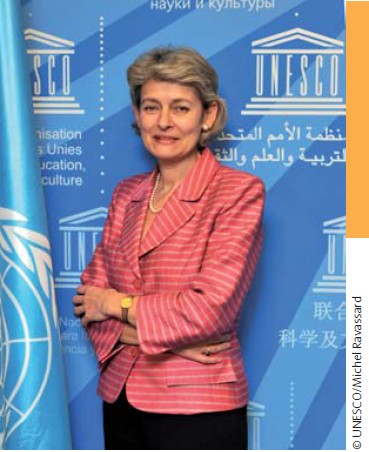
聯合國教科文組織總干事伊琳娜·博科娃2011年9月8日在國際掃盲日的致辭
今年,國際掃盲日特別關注掃盲與和平之間的關系。持久的和平建立在尊重人權和社會公正的基礎之上。
掃盲,一切教育和終身學習的基礎,正是上述人權之一。
掃盲之所以是和平的前提,因其能夠帶來多元效益,涵蓋人類、文化、社會、政治、經濟等多個層面。
在如今的知識型社會中,缺乏文化知識越來越等同于被社會排斥或邊緣化。
根據最新的數據(2009年),7.93億人缺乏基本的文化技能,其中大多數是婦女和兒童。另有6700萬小學學齡兒童輟學,7200萬初中生無法就學,他們都有可能成為新一代文盲。
這些令人無法接受的現實情況阻礙了人們為減少貧困,促進人類發展而浮出的努力。
這是對人權和基本自由的侵犯,是對和平和安全的威脅。
掃盲是發展的加速器,是維持和平的力量。
首先,掃盲能夠賦予個人能力,獲取技能和信心,獲得重要知識,做出對家庭和社區有直接影響的有效選擇。
其次,掃盲是個體有效參與民主進程、在社區組織中擁有話語權、獲得政治知識進而幫助提高公共政策質量的條件。
第三,掃盲計劃通過促進人與人交流思想,表達、保護和發展自身文化特征和多元性,以此增強相互理解。
任何國家如果希望建立持久和平,都必須找到在其國民間建立互信的方法,通過建立全納性的教育體系來促進相互理解、尊重、寬容和對話。
必須將掃盲納入構建和平的工作之中,以便埋下和平的種子,促進和平對話和和解,賦予青年和成人獲得適宜工作機會的技能。
2011年國際掃盲獎將頒發給那些凸顯出掃盲對于促進人權、性別平等、消除沖突和文化多樣性具有核心作用的開創性計劃。所有的入選項目都表明,即使在最困難的情況下,優質掃盲計劃正在為青年和成人的生活帶來持久的改變。
對掃盲計劃進行投入是合理且重要的發展選擇。掃盲是促進可持續發展及和平的戰略核心,對于實現全民教育和千年發展目標也具有重要意義。
世界各國急需加強對掃盲所作的政治承諾,提供充足的資源來擴大有效的計劃。今天,我督促各國政府、國際組織、民間團體和私營部門將掃盲作為優先政策,確保每一位個體的潛能得到發展,積極參與建設更為可持續、公平和和平的社會。
伊琳娜·博科娃
Message from Irina Bokova,
Director-General of UNESCO,
on the occasion of International Literacy Day,
8 September 2011
This year, International Literacy Day places a special focus on the essential relationship between literacy and peace. Lasting peace is founded on respect for human rights and social justice.
Literacy, the foundation of all education and lifelong learning, is one of these rights.
Literacy is a prerequisite for peace because it carries multiple benefits, cutting across the human, cultural, social, political and economic spheres.
In today’s knowledge-driven societies, lack of literacy is more than ever synonymous with exclusion and marginalization.
According to the most recent figures (2009), 793 million adults lack basic literacy skills, the majority are girls and women. A further 67 million children of primary school age are not in primary school and 72 million adolescents of lower secondary school age are also missing out their right to an education, running the risk of creating a new generation of illiterates.
This unacceptable situation is holding back all efforts to reduce poverty and advance human development.
It is an infringement of human rights and fundamental freedoms, and a threat to peace and security.
Literacy is a development accelerator and a force for peace.
First, literacy empowers individuals, equipping them with the skills and confidence to seek out vital information and to make informed choices that have a direct impact on their families and communities.
Second, literacy is a condition for individuals to effectively participate in democratic processes, to claim a voice in community organizations, gain political knowledge and thereby contribute to shaping the quality of public policies.
Third, literacy programmes strengthen mutual understanding by enabling people to share ideas and to express, preserve and develop their cultural identity and diversity.
No country can hope to establish lasting conditions for peace unless it finds ways of building mutual trust between its citizens through inclusive education systems that promote mutual understanding, respect, tolerance and dialogue.
It is crucial to integrate literacy in peace-building processes in order to plant the seeds of peace, foster dialogue and reconciliation, and give youth and adults the skills they need to seek decent employment.
The 2011 International Literacy Prizes reward ground-breaking programmes that show the central role of literacy in promoting human rights, gender equality, conflict resolution and cultural diversity. All programmes highlight that even in the most difficult contexts, good quality literacy programmes are working and bringing lasting change into the lives of youth and adults.
Investing in literacy programmes is a sensible and essential development choice. Literacy is a key component of strategies to promote sustainable development and peace. It is central to achieving Education for All and the Millennium Development Goals.
The world urgently needs increased political commitment to literacy backed by adequate resources to scale up effective programmes. Today I urge governments, international organizations, civil society and the private sector to make literacy a policy priority, so that every individual can develop their potential, and actively participate in shaping more sustainable, just and peaceful societies.
Irina Bokova


大眾網版權與免責聲明
1、大眾網所有內容的版權均屬于作者或頁面內聲明的版權人。未經大眾網的書面許可,任何其他個人或組織均不得以任何形式將大眾網的各項資源轉載、復制、編輯或發布使用于其他任何場合;不得把其中任何形式的資訊散發給其他方,不可把這些信息在其他的服務器或文檔中作鏡像復制或保存;不得修改或再使用大眾網的任何資源。若有意轉載本站信息資料,必需取得大眾網書面授權。
2、已經本網授權使用作品的,應在授權范圍內使用,并注明“來源:大眾網”。違反上述聲明者,本網將追究其相關法律責任。
3、凡本網注明“來源:XXX(非大眾網)”的作品,均轉載自其它媒體,轉載目的在于傳遞更多信息,并不代表本網贊同其觀點和對其真實性負責。本網轉載其他媒體之稿件,意在為公眾提供免費服務。如稿件版權單位或個人不想在本網發布,可與本網聯系,本網視情況可立即將其撤除。
4、如因作品內容、版權和其它問題需要同本網聯系的,請30日內進行。

